



Junior golf tournaments play an essential role in developing young golfers’ skills, competitive mindset, and passion for the game. Across the United States, numerous tournaments provide opportunities for junior golfers of all skill levels to test their abilities, gain valuable experience, and potentially earn recognition from college recruiters and professional scouts. From nationally recognized championships to local grassroots events, these competitions create pathways for young players to advance their golfing careers while building character, discipline, and sportsmanship.
I’m Al, and I’ve been following junior golf for years, watching young players develop their skills and pursue their dreams on the course. Whether you’re a parent looking to get your child involved in competitive golf, a junior golfer seeking the next challenge, or simply interested in understanding the junior golf landscape, this guide will walk you through the premier tournaments that shape the future of American golf. Let’s explore the tournaments that could launch the next generation of golfing champions.
American Junior Golf Association Championships
National Recognition: The American Junior Golf Association (AJGA) stands as the gold standard for elite junior golf competition in the United States. Founded in 1978, the AJGA hosts over 140 tournaments annually across the country, attracting the most talented junior golfers aged 12-19. These events consistently draw college coaches and scouts, making them essential for players with collegiate golf aspirations.
Tournament Structure: AJGA tournaments feature multiple divisions based on age and skill level, including the prestigious Invitational events that require players to meet strict performance standards. The organization’s Open tournaments provide access points for developing players, while the Junior All-Star series offers regional competition opportunities. Each event follows USGA rules and maintains rigorous standards that mirror professional tournament conditions.
College Recruitment Pipeline: What sets AJGA tournaments apart is their direct connection to college golf programs. The AJGA’s Junior Golf Scoreboard provides comprehensive player rankings and statistics that college coaches rely on when identifying recruits. Players who perform well in AJGA events often receive scholarship offers from Division I programs, with many past participants going on to successful college and professional careers.
Performance Rankings: The AJGA maintains detailed performance-based rankings that help players gauge their progress and competitive standing. These rankings consider tournament finishes, strength of field, and consistency over time. Top-ranked players gain invitations to elite events like the AJGA Simplify Boys Championship and Girls Championship, which serve as season-ending showcases.

Moving from the elite national circuit, let’s examine another major player in junior golf that takes a different approach to youth development.
US Kids Golf World Championship Events
Age-Appropriate Competition: US Kids Golf has revolutionized junior golf by creating age-specific tournaments that prioritize fun and development alongside competition. Their World Championship events, held annually at Pinehurst Resort in North Carolina, attract thousands of participants from around the globe. The organization operates on the philosophy that golf should be taught in a way that’s appropriate for each child’s physical and mental development stage.
Local to Global Pathway: US Kids Golf operates through a three-tier system starting with local tournaments, advancing to regional qualifiers, and culminating in World Championship events. This structure allows players as young as five years old to compete against peers of similar age and ability. The tournaments use modified course lengths and tee positions that match each age group’s capabilities, ensuring fair and enjoyable competition.
Inclusive Philosophy: Unlike many elite junior tournaments, US Kids Golf emphasizes participation and accessibility. Entry requirements focus on age rather than handicap or previous tournament performance, making these events ideal for beginners and intermediate players. The organization’s mission centers on introducing children to competitive golf in a supportive environment that builds confidence rather than intimidation.
Family-Friendly Format: US Kids tournaments create a festival atmosphere where families can enjoy the entire experience together. The World Championships feature opening and closing ceremonies, family activities, and opportunities for parents to connect with other golf families. This community-building aspect helps sustain young players’ interest in golf beyond just the competitive element.

While national championships capture headlines, another program has brought tournament golf into local communities across America.
Drive Chip and Putt National Finals
Skills-Based Format: Drive, Chip and Putt takes a unique approach by focusing on golf’s fundamental skills rather than full-round scores. This competition, founded in 2013 through a partnership between the Masters Tournament, USGA, and PGA of America, tests participants’ abilities in driving distance and accuracy, chipping precision, and putting proficiency. The format levels the playing field for players who excel in specific areas while still developing their complete game.
Path to Augusta: The tournament’s ultimate prize is competing in the National Finals at Augusta National Golf Club, held the Sunday before the Masters Tournament. This opportunity to play on one of golf’s most iconic courses provides motivation that resonates with juniors and families alike. The journey begins with local qualifiers, progressing through sub-regional and regional competitions before reaching the national stage.
Accessibility and Reach: Drive, Chip and Putt welcomes boys and girls ages 7-15, with separate age divisions ensuring fair competition. The program requires no handicap and charges no entry fees for local qualifying, removing financial and experiential barriers that often limit junior golf participation. This accessibility has helped the program grow exponentially since its 2013 inception, reaching communities that previously had limited junior golf opportunities.
Television Exposure: The National Finals receive broadcast coverage on Golf Channel, providing participants with a professional tournament experience complete with cameras, commentators, and national attention. This exposure has helped popularize junior golf and inspired countless young players to take up the game after watching their peers compete at Augusta National.

Beyond individual tournaments, team-based competitions have introduced a different dimension to junior golf development.
PGA Jr League and Team Competitions
Team-Based Development: PGA Jr. League transforms traditional individual golf competition into a team sport format that appeals to young players who thrive in collaborative environments. Teams of 8-10 players compete in a two-person scramble format, allowing players of different skill levels to contribute meaningfully to team success. This structure reduces pressure on individual performance while maintaining competitive intensity.
Season Structure: The Jr League season typically runs from April through October, with weekly matches between local teams followed by regional and national championship opportunities. Each match features nine holes of play in a fun, supportive atmosphere that emphasizes sportsmanship. The scramble format means every shot matters, teaching players strategic thinking and teamwork alongside technical skills.
Coaching Integration: Each PGA Jr League team must be led by a PGA or LPGA professional, ensuring quality instruction and mentorship throughout the season. Coaches work with players on skill development during practice sessions and provide guidance during matches. This professional oversight maintains high standards while creating positive role models for young golfers.
All-Star Advancement: Top-performing teams advance through regional playoffs to compete in the PGA Jr League Championship, which features divisions for ages 13 and under (Flag Division) and ages 14-17 (Cup Division). These championship events provide television exposure and recognition for outstanding junior players while maintaining the team-focused spirit that defines the program.
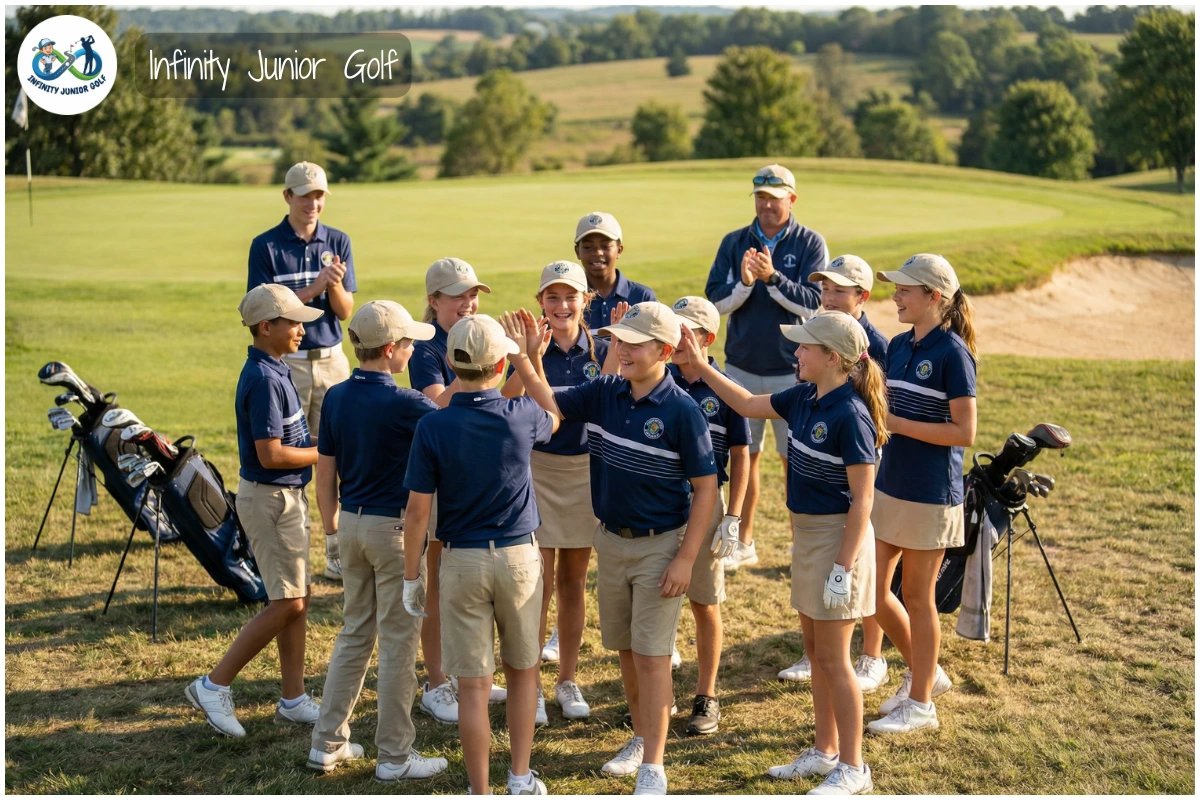
While national programs provide structure and recognition, regional and state tournaments create essential competitive opportunities closer to home. Now that you understand the major tournament options, having the right equipment becomes necessary for helping young players perform their best when competition day arrives.
Our Retailer Recommendations
Preparing for tournament play requires more than just practice—young golfers need properly fitted equipment, tournament-appropriate apparel, and training tools that build competitive skills. Whether you’re seeking a first tournament-ready club set, performance footwear for long rounds, or technology to sharpen course management abilities, the right gear helps junior golfers step onto the first tee with confidence. Here are trusted retailers offering products specifically designed to support young competitors:
GlobalGolf
Specializes in certified pre-owned junior clubs and used golf club sets at budget-friendly prices, making competitive golf accessible to families just starting their tournament journey. Their quality-inspected used equipment includes clubs from top manufacturers for juniors that perform reliably in competition, and ships to customers worldwide.
US Kids Golf
Offers age-specific junior club systems including Baby’s First Club (an 18″ putter for toddlers), the entry-level Yard Club for beginners (heights 36″–54″), the Ultralight 7 for developing players, the Tour Series 5 for advanced competitors (heights 51″–69″), the elite epTOUR for elite junior players, and the AV Cloud designed specifically for women. Their scientifically designed equipment ensures proper fitting for junior golfers of all ages, with each system engineered for its respective skill level and available through their international network.
Callaway Golf
Callaway offers a full range of junior golf club sets, including the XJ Series — covering young players from 42″ to 57″ tall across three size-based levels (XJ1, XJ2, and XJ3) — and the performance-focused XT Teen Set, designed for teenage golfers aged 11–13 and 58″–69″ tall. Both ranges feature titanium drivers, graphite shafts, and industry-leading Callaway technologies engineered to maximise distance and forgiveness for developing players. Sets are available in right- and left-hand configurations with multiple colour options, and can be purchased through the Callaway website or authorized retailers worldwide.
FootJoy
Delivers junior golf shoes and FJ Junior gloves designed specifically for junior competitors who need stability and comfort during long tournament rounds. Their junior footwear line — including the FJ Fuel Junior — provides professional-grade traction and support while meeting tournament dress code requirements, shipping internationally to young golfers worldwide.
Bushnell Golf
Serves as the official rangefinder of the AJGA and offers laser rangefinders and GPS devices that help junior golfers make accurate club selections during competitive rounds. Learning proper distance management with tournament-legal devices builds essential course management skills, available globally through authorized dealers.
Under Armour
Features performance golf apparel for junior players, including the moisture-wicking UA Matchplay Boys’ Polo and the Girls’ UA Playoff Polo, alongside pants and outerwear that meet tournament dress codes. Their junior golf clothing line helps young competitors stay comfortable and focused in various weather conditions, with international shipping to support young golfers competing anywhere in the world.
With tournament-ready equipment in place, understanding regional and state tournament opportunities provides the foundation for consistent competitive development and skill progression.
Regional and State Golf Associations
Local Competition Networks: State golf associations across America operate extensive junior golf programs that serve as important developmental stepping stones. These organizations host monthly tournaments, junior amateur championships, and match play events that provide regular competitive opportunities without requiring extensive travel. Most states run separate boys’ and girls’ championships across multiple age divisions.
Handicap Development: State association tournaments typically require established USGA handicaps, helping junior golfers learn the handicap system while tracking their improvement over time. Regular tournament play against varied competition provides the data needed to establish accurate handicaps, which become important for college recruitment and amateur status verification.
Affordable Access: Regional tournaments generally charge lower entry fees than national events and eliminate travel expenses, making competitive golf accessible to more families. Many state associations offer financial assistance programs, equipment grants, and reduced fees for families facing economic barriers. This accessibility ensures talent development isn’t limited by financial resources.
College Coach Visibility: State junior amateur championships and match play events attract college coaches from regional programs seeking local talent. While these tournaments may not draw the national attention of AJGA events, they provide essential exposure for players targeting regional colleges or building competitive resumes. Many successful college golfers built their foundations through consistent state association tournament play.
Year-Round Opportunities: State associations in warm-weather climates offer year-round competition, while northern states coordinate with junior golf academies and indoor facilities to maintain momentum during winter months. This continuity helps junior golfers maintain competitive sharpness and continue skill development regardless of season.

Understanding tournament options is valuable, but putting practical preparation strategies into daily action makes the real difference in competitive performance.
Our Practical Tips For You
Here are actionable steps to help junior golfers maximize their tournament experience and development:
| Tip | How to Implement | How It Helps |
|---|---|---|
| Practice tournament routines | Simulate tournament conditions during practice rounds by following formal pre-shot routines and keeping score. | Builds comfort with tournament pressure and helps identify which routines work best under stress. |
| Set process goals | Focus on controllable actions like commitment to pre-shot routine rather than outcome goals like scores. | Reduces anxiety and keeps attention on present-moment performance rather than results. |
| Play different courses | Schedule practice rounds at various courses to experience different layouts and conditions. | Develops adaptability and course management skills essential for unfamiliar tournament venues. |
| Study tournament formats | Review the specific rules and formats of upcoming tournaments well in advance. | Prevents confusion and rules violations that could cost strokes or disqualification. |
| Maintain a practice journal | Record daily practice sessions noting what worked well and areas needing improvement. | Creates accountability and provides data to guide future practice priorities. |
| Build physical fitness | Incorporate golf-specific exercises and stretching into daily routines to improve stamina. | Enhances performance late in rounds when fatigue affects technique and decision-making. |
| Watch professional tournaments | Observe how tour professionals handle pressure, course management, and recovery from mistakes. | Provides mental frameworks and strategies applicable to junior-level competition. |
| Connect with other juniors | Join local junior golf groups or online communities to share experiences and advice. | Builds support networks and provides motivation through shared experiences. |
| Establish pre-round warmup | Develop a consistent 30-45 minute warmup routine covering all aspects of the game. | Ensures physical readiness and mental transition into tournament mode. |
| Review past rounds | Analyze scorecards from previous tournaments to identify patterns in strengths and weaknesses. | Guides practice priorities and reveals strategic insights for course management improvement. |
These daily actions compound over time to create tournament-ready skills and confidence. Let’s address some common questions families have about junior golf tournaments.
FAQs
What age should my child start competing in tournaments? Most children are ready for their first tournament experience between ages 7-10, depending on their skill level and interest. Starting with local, informal events helps build comfort before progressing to more formal competitions.
Do junior golfers need an established handicap to compete? Requirements vary by tournament—some national events require handicaps while many local and beginner tournaments don’t. US Kids Golf and Drive, Chip and Putt don’t require handicaps, making them excellent starting points.
How do college coaches discover junior golfers? Coaches monitor national rankings from AJGA and other organizations, attend major tournaments, and review recruiting databases. Consistent tournament play and strong academic performance create visibility with college programs.
What’s the typical cost to compete in junior tournaments? Entry fees range from free (Drive, Chip and Putt qualifiers) to $150-300 for national events. Factor in travel, accommodation, and equipment costs when planning tournament schedules.
Our Related Articles

Why Goal Setting Matters For Young Golfers
Goal setting transforms how young golfers approach the game, turning aimless practice sessions into purposeful development opportunities. When junior players establish clear targets, they create…
Read More
Top 5 Junior Golf Club Sets Reviewed
Choosing the right golf clubs can make or break a young player’s journey in this wonderful sport. When junior golfers have equipment that matches their…
Read More
How To Teach Toddlers To Swing A Golf Club
Watching a toddler take their first swing at a golf ball is one of those magical moments that parents treasure forever. Those early attempts might…
Read MoreConclusion
Junior golf tournaments in the United States offer incredible opportunities for young players to develop skills, build character, and pursue their golfing dreams. From the elite competition of AJGA championships to the inclusive atmosphere of US Kids Golf events, from the unique challenge of Drive, Chip and Putt to the team camaraderie of PGA Jr League, there’s a tournament path suited to every junior golfer’s goals and abilities. Regional and state association events provide the consistent competitive opportunities that build foundations for long-term success. The key is finding the right balance of challenge, development, and enjoyment that keeps young players motivated and progressing.
Whether your junior golfer dreams of college scholarships, professional careers, or simply wants to test their skills against peers, understanding the tournament landscape helps you make informed decisions about their competitive journey. Start local, build confidence, and gradually expand horizons as skills and experience grow. What tournament path are you considering for your junior golfer, and what questions do you still have about navigating the competitive junior golf world? Share your thoughts and experiences in the comments below!